The collapse that brought Dutch military operations to Australia
The Japanese conquest of the Netherlands East Indies in early 1942 was one of the most rapid and consequential campaigns of the Pacific War. Within approximately three months, the colonial administration, the Royal Netherlands East Indies Army and much of the Dutch naval and air presence in the archipelago had been overwhelmed.
The fall of the Netherlands East Indies brought Japanese forces to Australia’s northern approaches. It also caused surviving Dutch and Netherlands East Indies military personnel, aircraft, ships, officials and civilians to regroup in Australia.
From these survivors emerged the Dutch military, intelligence and administrative organisations that operated from Australia during the remainder of the war.
Japanese expansion into the Netherlands East Indies
The Netherlands declared war on Japan following the attacks across the Pacific and Southeast Asia in December 1941.
Japan regarded the Netherlands East Indies as strategically essential. Its oilfields, refineries, ports, airfields and other resources could sustain Japanese military operations, while control of the archipelago would help isolate Australia from its northern allies.
The invasion began in January 1942 with attacks on locations including Tarakan in Dutch Borneo. Japanese forces advanced through Borneo, Celebes, the Moluccas, Sumatra, Timor and other islands before concentrating on Java, the political and military centre of the colony.
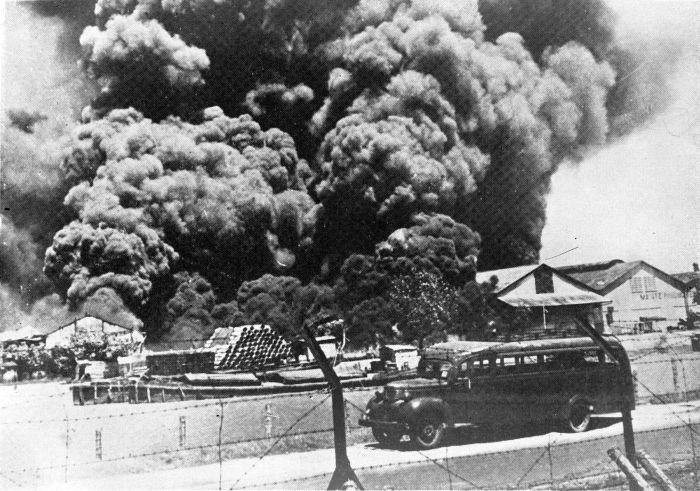
Dutch forces destroyed oil installations and other infrastructure where possible to prevent their immediate use by Japan. These demolitions delayed production at some facilities, but they could not stop the invasion.
An enormous territory with limited defences
The Netherlands East Indies stretched more than 5,000 kilometres from Sumatra to Dutch New Guinea. Defending such a vast archipelago required ships, aircraft, communications and mobile forces on a scale the Dutch did not possess.
The Royal Netherlands East Indies Army—the KNIL—had an estimated strength of approximately 121,000 personnel. Most were Indonesian rather than European. Its units varied considerably in training, equipment and combat readiness and were dispersed across numerous islands and isolated garrisons.
The Dutch had begun expanding their air and naval forces before the war, but many aircraft and other weapons ordered overseas had not arrived before the Japanese attack. The occupation of the Netherlands by Germany in May 1940 had also complicated purchasing, training and military coordination.
Australian military observers who visited Java before the Pacific War identified weaknesses in KNIL command, training and communications. Nevertheless, Dutch, Indonesian and Allied personnel fought in numerous actions against a Japanese force with overwhelming air and naval superiority.
Prewar Australian assessments of the KNIL
Before the outbreak of the Pacific War, Australian military observers had expressed concerns about the preparedness of the Royal Netherlands East Indies Army—the KNIL.
In November 1941, Major J. H. Brown of the Australian Army visited Java and observed KNIL field exercises. His report identified shortcomings in training, command and tactical coordination. Although he considered parts of the KNIL reasonably well equipped, he believed that much of its training remained theoretical and that operations during the exercises appeared hesitant and fragmented.
Brown’s observations were subsequently considered by the Australian Directorate of Military Intelligence. Other senior Australian officers, including Lieutenant General Sir John Lavarack and Lieutenant General Vernon Sturdee, also expressed concerns about the capacity of the KNIL to resist a major Japanese invasion.
These assessments provide valuable contemporary evidence, but they should be read as Australian military opinions formed before the invasion. The KNIL was responsible for defending an enormous and geographically dispersed archipelago and faced severe shortages of trained personnel, modern equipment, aircraft, shipping and reliable communications.
The document below brings together these Australian assessments of the KNIL on the eve of the Japanese invasion.
ABDACOM and the Allied defence
In January 1942, the American-British-Dutch-Australian Command—ABDACOM—was created to coordinate the defence of a vast area extending from Burma through Malaya and the Netherlands East Indies.
British General Sir Archibald Wavell became supreme commander. Dutch, American, British and Australian naval, land and air forces were placed within the combined structure.
ABDACOM faced serious disadvantages from the beginning:
- its territory was too large for the forces available;
- the participating countries had different strategic priorities;
- communications were poor;
- aircraft, ships and ground forces were already heavily committed;
- the Allies used different equipment and command systems; and
- Japanese forces controlled the air over many operational areas.
The fall of Singapore on 15 February and the destruction of much of the Allied naval force during the Battle of the Java Sea on 27 February made the defence of Java virtually impossible.
Wavell left Java on 25 February and ABDACOM was dissolved. Command of the remaining forces on Java returned to the Dutch commander, Lieutenant-General Hein ter Poorten.
For further information, see The American-British-Dutch-Australian Command—1942.
Australian forces on Java
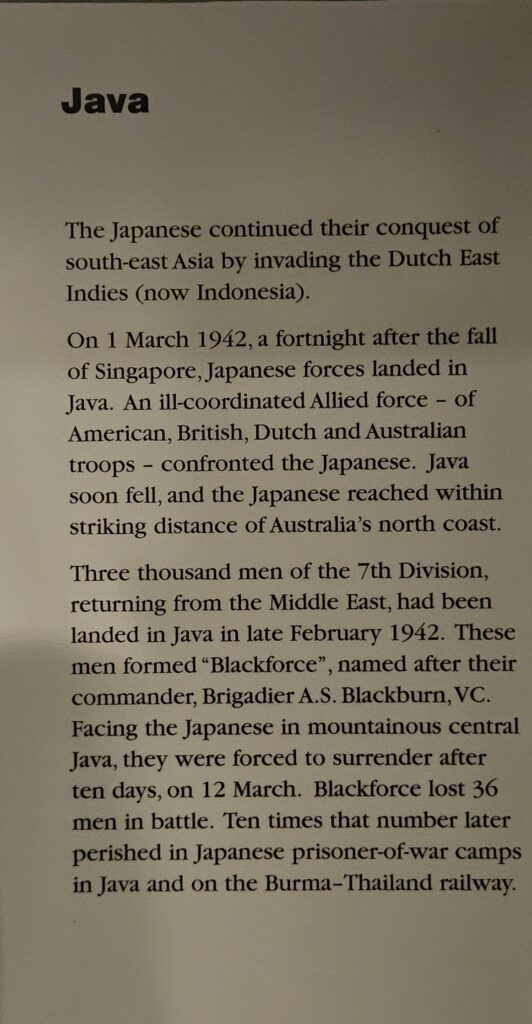
The Australian force on Java was known as Blackforce, after its commander, Brigadier Arthur Blackburn VC.
Its principal components included the 2/2nd Pioneer Battalion, 2/3rd Machine Gun Battalion, engineers, transport personnel and other supporting units. Blackforce fought alongside Dutch and other Allied forces after Japanese troops landed on Java at the end of February.
The Australians went into action at Leuwiliang, near Buitenzorg, on 4 March. They resisted Japanese forces for two days before withdrawing.
After the Dutch surrender, Blackforce was ordered to lay down its arms. Most of its members became prisoners of war, and many later died during forced labour and captivity, including work on the Burma–Thailand Railway.
Australian forces were also engaged alongside Dutch and local troops in Timor, Ambon and other parts of the Netherlands East Indies. Their capture and treatment by Japan profoundly affected Australian memories of the campaign.
The surrender on Java
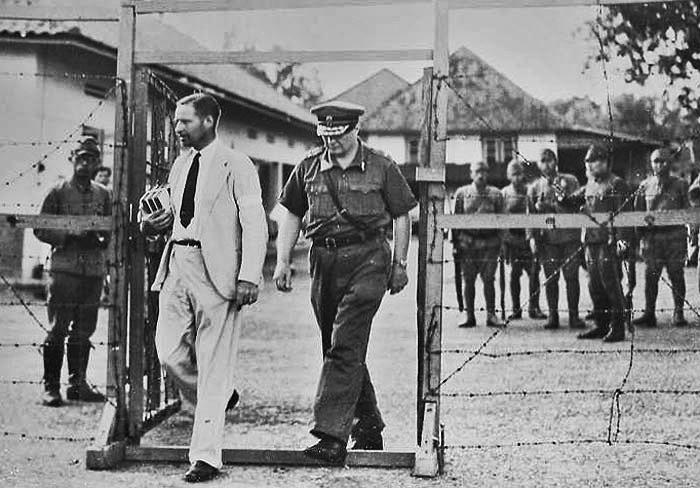
On 8 March, Lieutenant-General Hein ter Poorten ordered the KNIL forces on Java to surrender. The capitulation was negotiated at Kalijati. Australian units received orders to surrender shortly afterwards, although isolated resistance continued in several locations.
Governor-General Alidius Tjarda van Starkenborgh Stachouwer and Ter Poorten were taken into Japanese captivity. Many military personnel became prisoners of war, while Dutch, Indo-European and other civilians were gradually interned.
Organised Allied resistance on Java had ended, but fighting continued elsewhere. Australian and Dutch troops conducted a guerrilla campaign in Timor, while isolated KNIL units and local forces continued resisting in parts of the eastern archipelago and Dutch New Guinea.
Dutch and Australian forces increasingly isolated
The Australian contingent on Java, known as Blackforce and commanded by Brigadier Arthur Blackburn, fought alongside Dutch, British and American units. Relations were sometimes strained. Australian officers criticised aspects of KNIL preparedness, command and communications, while Dutch forces were attempting to defend an enormous archipelago with insufficient modern aircraft, weapons, transport and trained personnel.
Communications deteriorated rapidly as Japanese attacks damaged telephone, telegraph and radio facilities. Military messages sometimes had to pass through civilian post and telecommunications offices. As these networks failed, commanders lost contact with neighbouring formations and some isolated units continued fighting without knowing that the main forces had surrendered.
The final evacuation from Java
As Japanese forces advanced across Java, a limited and increasingly desperate evacuation was undertaken. American aircraft and personnel were among those withdrawn to Australia, while surviving Dutch and Allied aircraft attempted to escape from airfields threatened by the Japanese advance.
KNILM aircraft played an important part in evacuating government officials, military personnel and civilians. Places were extremely limited and many people who wished to leave could not be accommodated.
On 7 March, Lieutenant Governor-General Hubertus van Mook and several senior officials departed Java. In Australia, Van Mook and his colleagues continued representing the Netherlands East Indies administration. Their presence eventually contributed to the establishment of the Netherlands East Indies Government-in-Exile at Camp Columbia in Brisbane.
The surrender of Java
On 8 March 1942, Lieutenant General Hein ter Poorten, commander of the KNIL, met Lieutenant General Hitoshi Imamura, commander of the Japanese Sixteenth Army, at Kalijati. Governor-General Alidius Tjarda van Starkenborgh Stachouwer also attended the negotiations.
Ter Poorten accepted the unconditional surrender of the Allied forces on Java and broadcast the capitulation order on 9 March. Because communications had broken down, not every Allied formation received the order immediately. Some Dutch and Australian units continued operating for several days before surrendering or dispersing.
Van Starkenborgh and Ter Poorten were subsequently interned by the Japanese. Van Mook, meanwhile, remained outside the occupied Netherlands East Indies and helped maintain the legal and administrative continuity of the colonial government. This provided the basis for the later Netherlands East Indies Government-in-Exile in Australia.
See also: Van Starkenborgh (1888–1978): De laatste gouverneur-generaal van Nederlands-Indië
Breakdown of communications and stranded Allied troops
The collapse of the Allied command structure was accompanied by a serious breakdown in communications. Australian troops serving with Blackforce on Java did not immediately receive clear information about the Dutch capitulation. With evacuation no longer possible, Blackforce surrendered to the Japanese on 12 March 1942.
Dutch and Allied units elsewhere in the archipelago were also left isolated. KNIL forces on Sumatra, Borneo, Celebes and Dutch New Guinea continued resisting for varying periods. Before withdrawing or surrendering, Dutch personnel attempted to destroy oil installations, airfields, ports and other facilities that might assist the Japanese war effort.
With ABDA Command dissolved and Allied shipping and aircraft withdrawn, few resources remained for organised rescue operations. Many stranded Dutch, Australian and other Allied servicemen were captured and became prisoners of war. Others withdrew into remote areas, continued guerrilla operations or attempted to reach Allied territory.
The fate of these troops illustrates how quickly the Allied position disintegrated after the fall of Java. It also explains why the personnel, aircraft and ships that successfully reached Australia became so important: they formed the foundations from which the Netherlands East Indies forces could reorganise and continue the war.
The evacuation to Australia
During the final weeks before the surrender, aircraft and ships evacuated military personnel, government officials, civilians, documents and other valuable material to Australia, Ceylon and India.
The evacuation was improvised and dangerous. Military aircraft and aircraft belonging to KNILM—the civil airline of the Netherlands East Indies—flew between Java, Broome and destinations farther south and east. Ships departed from the remaining available ports, sometimes only shortly before Japanese forces arrived.
Broome became one of the most important Australian entry points. Its airfield and Roebuck Bay received flying boats and land-based aircraft carrying exhausted evacuees. On 3 March 1942, Japanese aircraft attacked Broome, destroying numerous Allied aircraft and killing many military personnel and civilians, including Dutch evacuees.
Hubertus van Mook, Lieutenant Governor-General of the Netherlands East Indies, was among the senior officials who reached Australia. Other surviving officials and military commanders began reconstructing a Netherlands East Indies administrative and military presence there.
See:
Dutch air power after the collapse
The Dutch air services suffered catastrophic losses during the campaign. Aircraft had been destroyed in combat, lost during evacuation, damaged beyond repair or diverted to other Allied forces.
Surviving ML-KNIL personnel and aircraft regrouped in Australia. Many aircrew had escaped without their ground personnel, equipment or families. Others were already in Australia awaiting delivery of American aircraft ordered by the Netherlands East Indies.
Despite these circumstances, Dutch and Australian authorities began rebuilding an operational aviation force. No. 18 (Netherlands East Indies) Squadron RAAF was formed at Canberra on 4 April 1942. Dutch military transport services were organised from Archerfield in Brisbane, and additional aircrew were trained in the United States.
The surviving personnel and aircraft eventually formed bomber, fighter, transport and naval aviation units operating from Australia and New Guinea.
Their subsequent history is covered in the Dutch and Netherlands East Indies Air Forces in Australia during World War II – Research Portal.
The Netherlands East Indies presence in Australia
The evacuation transformed Australia from a neighbouring Allied country into the principal base for the Dutch and Netherlands East Indies presence in the Southwest Pacific.
Military and administrative organisations were established in Melbourne, Canberra, Sydney, Brisbane, Fremantle and other locations. They included:
- the headquarters of the Royal Netherlands East Indies Army;
- the ML-KNIL and joint Netherlands East Indies–RAAF squadrons;
- Royal Netherlands Navy units and submarines;
- the Netherlands Forces Intelligence Service;
- military air transport services;
- the Netherlands Indies Civil Administration; and
- shipping, purchasing and diplomatic organisations.
In 1944, several of these organisations moved to Camp Columbia at Wacol in Brisbane as preparations intensified for a return to liberated parts of the Netherlands East Indies.
For a broader account, see Netherlands and Netherlands East Indies Forces in Australia during World War II.
Consequences of the defeat
The fall of the Netherlands East Indies was a military, political and human catastrophe.
Military personnel endured years of imprisonment and forced labour. Large numbers of civilians were interned, separated from family members or displaced. Indonesian communities experienced occupation, forced labour, food shortages, violence and political upheaval.
The Japanese occupation also transformed Indonesian politics. Nationalist organisations expanded their influence, and the expectation that Dutch colonial rule could simply be restored after the war became increasingly unrealistic.
When Japan surrendered in August 1945, the Republic of Indonesia proclaimed independence. The struggle that followed changed the relationships between Indonesia, the Netherlands and Australia and ultimately ended Dutch colonial rule.
A turning point in Dutch–Australian relations
Before the Pacific War, official contact between Australia and the Netherlands East Indies had been limited. The events of early 1942 forced the two countries into close military, diplomatic and administrative cooperation.
Australia provided a base from which surviving Dutch and Netherlands East Indies forces could regroup and continue the war. Dutch ships, aircraft, military personnel and intelligence services contributed to the wider Allied effort from Australian territory.
The fall of the Netherlands East Indies was therefore not only the end of one military campaign. It marked the beginning of an extensive Dutch and Netherlands East Indies wartime presence in Australia and laid the foundations for a new relationship between Australia, the Netherlands and, eventually, independent Indonesia.
Sources and further information
- Australian War Memorial—Allies in adversity: Australia and the Dutch in the Pacific War
- Australian War Memorial—2/2nd Pioneer Battalion
- Australian War Memorial—2/3rd Machine Gun Battalion
- US Army Center of Military History—East Indies campaign
- Australian–Dutch defence cooperation, 1940–1941
- Jack Ford, Allies in a Bind: Australia and the Netherlands East Indies in the Second World War, Australian–Netherlands Ex-Servicemen and Women’s Association, 1996; Central Queensland University Press, 2001.
Other information, photographs and newspaper articles
Allied Forces in Java at the time of the Japanese invasion
| East Java KNIL: VIth Regiment, IInd & IIIrd Landstorm Battalions, artillery battalion, Marine Battalion (motorised); US: 131st Artillery Regiment’s ‘E’ Battery Central Java KNIL: XXIst Battalion, 2 cavalry squadrons, armoured car squadron, British: 79th Heavy AA Regiment; West Java KNIL: Ist, IInd & IVth Regiments, Ist Artillery Regiment, Landstorm battalion, mountain artillery battalion, cavalry company, ‘Mobile Force’; US: 131st Artillery Regiment’s 2nd Battalion; British: 3rd Hussars Regiment ‘s ‘B’ Squadron, 21st Light AA Regiment, 48th Light AA Regiment, 6th Heavy AA & 35th Light AA Regiments, RAF composite airfield defence company; AIF ‘Blackforce’: 2/3rd Machine-Gun & 2/2nd Pioneer Battalions, 2/6th Field & 105th General Transport & 2/3rd Motor Reserve Companies, company HQ, Guard Battalion platoon & 265 unattached troops; |
Source: Allies in a Bind
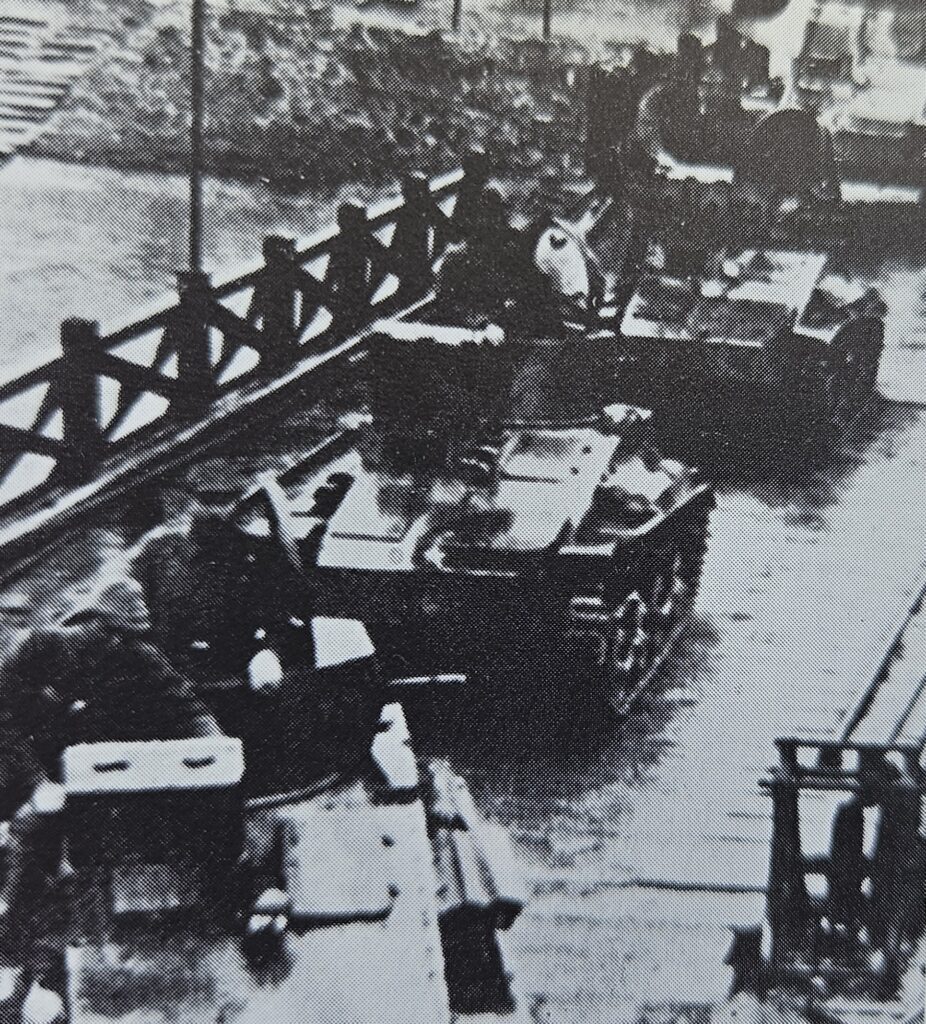
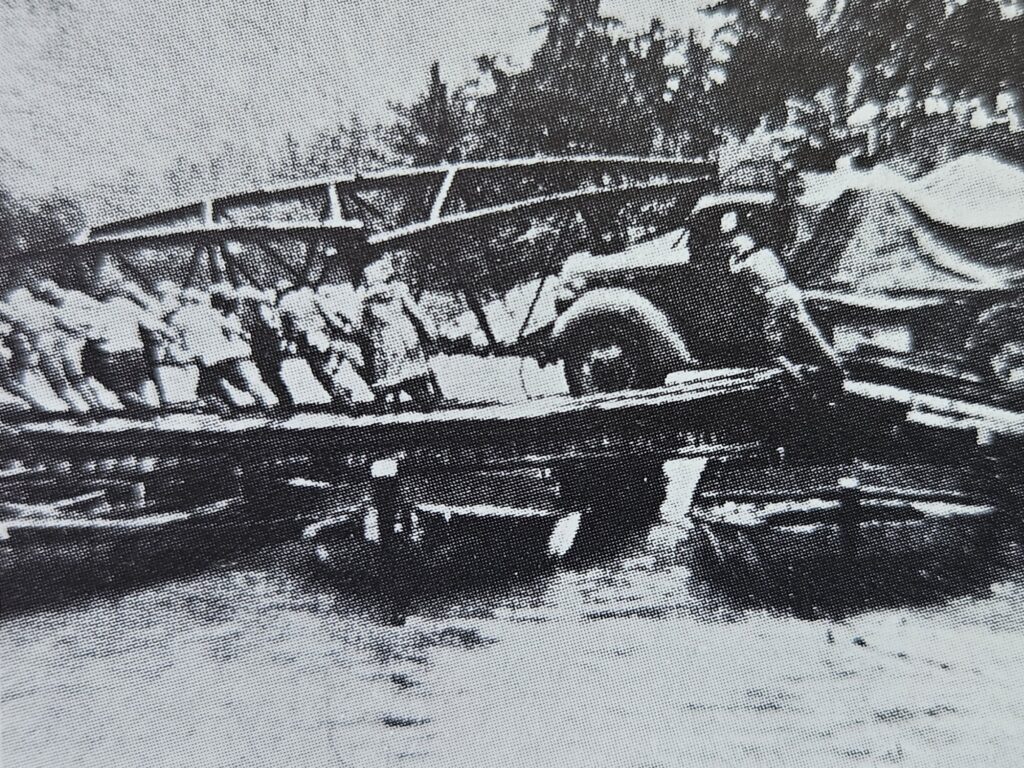
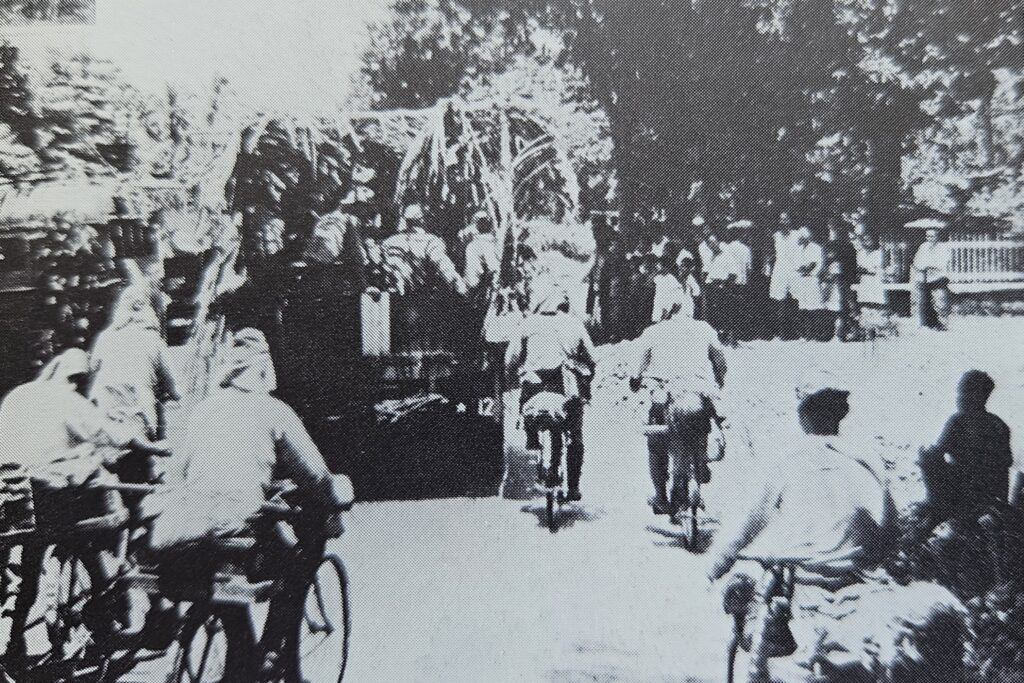
There are relatively few photographs of the Japanese invasion into NEI. These are from the book: Het Koninklijke Koloniale Nederlands-Indische Leger 1830-1950.
Newspaper articles
They show how much the war situation can change within two weeks
Prewar Australian assessments of the KNIL
This is the document as mentioned in the text above.
Japanese air bases in Netherlands East Indies and the Philippines